
Lyse Design System — Form
Building a shared design language across Lyse's product portfolio — from tokens to components to documentation.
Background
Lyse is one of Norway's largest energy and telecommunications companies. With multiple digital product teams working across customer-facing apps, internal tools, and web platforms, the organization had accumulated years of inconsistent UI — different button styles, conflicting spacing, duplicated effort.
The brief: build a design system that actually gets used.
The challenge
Most design systems fail not because the components are bad, but because adoption is an afterthought. The challenge here wasn't purely technical — it was organizational. How do you get teams with different stacks, different timelines, and different priorities to converge on a shared foundation?
The design system is a product. The developers and designers in other teams are the users. We had to treat it that way.
What we built
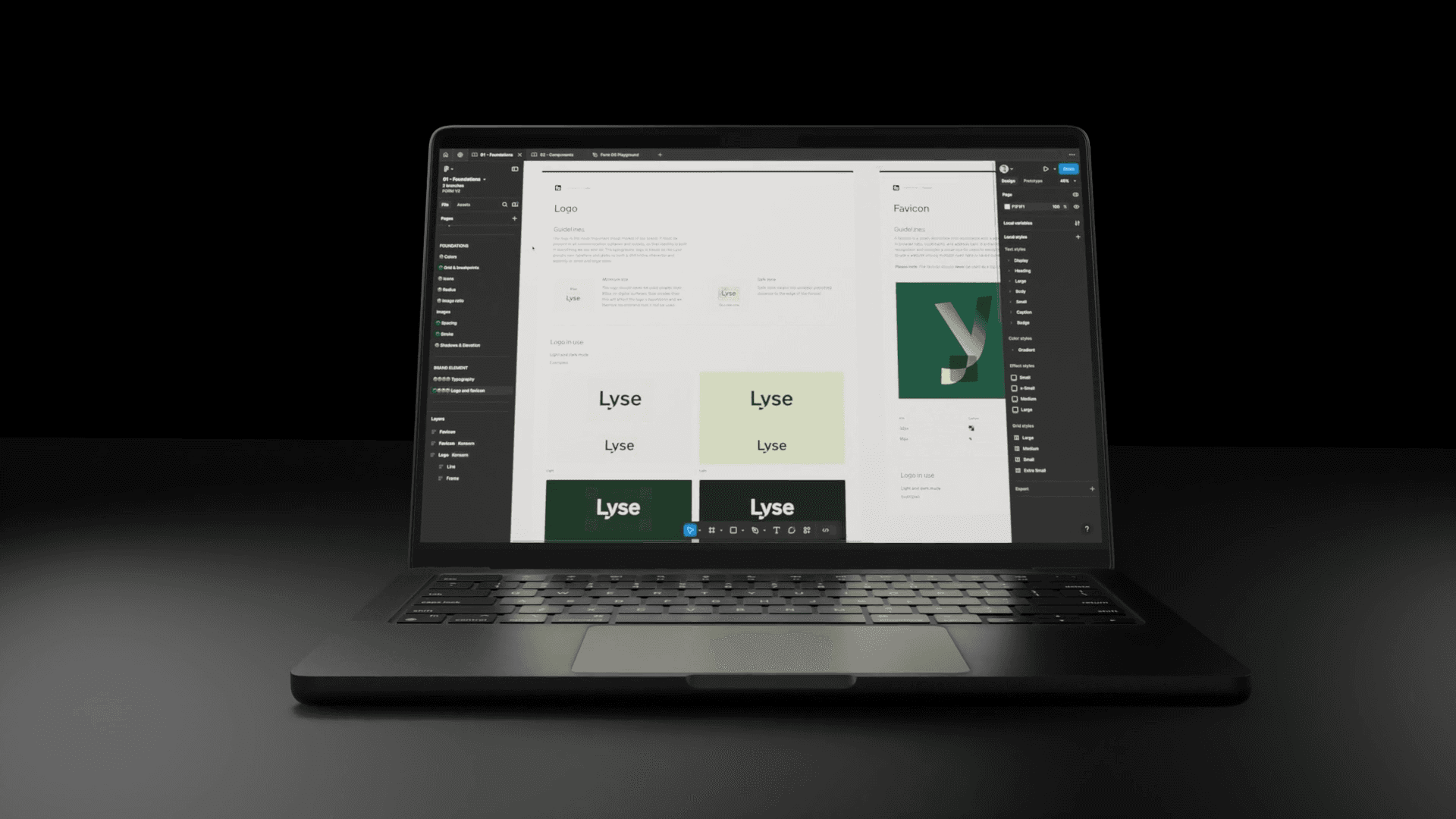
Form is the design system for Lyse's digital products. It covers:
- A token system for color, typography, spacing, and elevation
- A component library with full Storybook documentation
- Figma components mapped 1:1 to code
- Contribution guidelines so teams can extend it without breaking it
- A versioning strategy that lets teams upgrade on their own schedule
Process
The project started with a deep audit of the existing landscape — cataloguing every UI pattern in production and interviewing the people who used them daily. This gave us a clear picture of what was genuinely shared and what was edge-case variation being treated as standard.
We ran the first design sprint with stakeholders from four product teams to prioritize the initial component set. Starting small was deliberate — ten well-documented components that work perfectly beats a hundred that nobody trusts.
Outcome
Form shipped to production in 2023 and is now the primary UI foundation across Lyse's digital products. Adoption is tracked per team and per component. The design-to-code gap — previously measured in weeks of translation work per feature — is now near zero for teams using Form components.